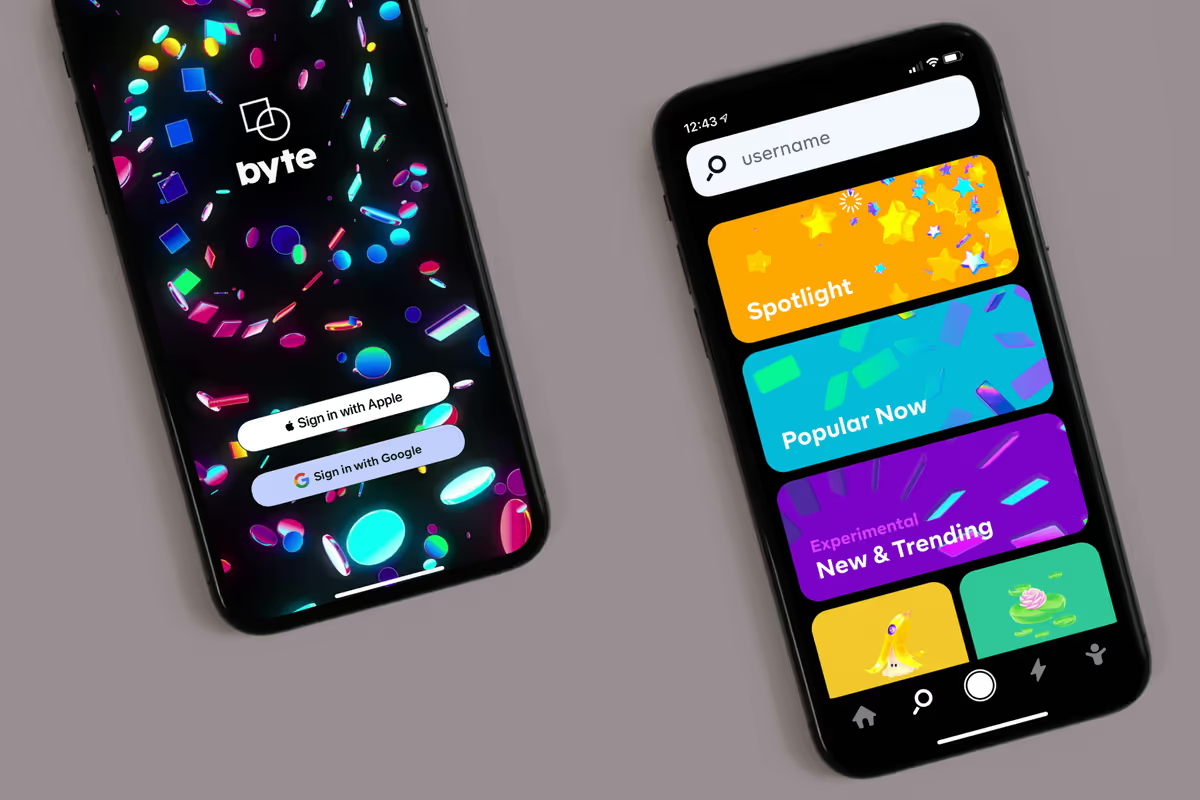
The Adaptive Interface Builder began as a response to a recurring problem: teams often sacrifice consistency when projects grow quickly. I wanted to design something that didn’t just assemble interfaces but actively guided better decisions. The result was a modular system built on adaptive rules, fluid spacing, and token-driven design logic.
At the foundation of the system is a smart constraint layer. Instead of rigid templates, components interpret context — adjusting spacing, shadow depth, and visual hierarchy based on device size and interaction patterns. The goal was to make UI construction feel less like placing blocks and more like sculpting a living interface.
Key Features
- Component auto-adjustments to maintain visual rhythm
- Rule-based color theming with accessible contrast
- Reusable layout presets powered by fluid tokens
- Edge-case handling baked directly into base components
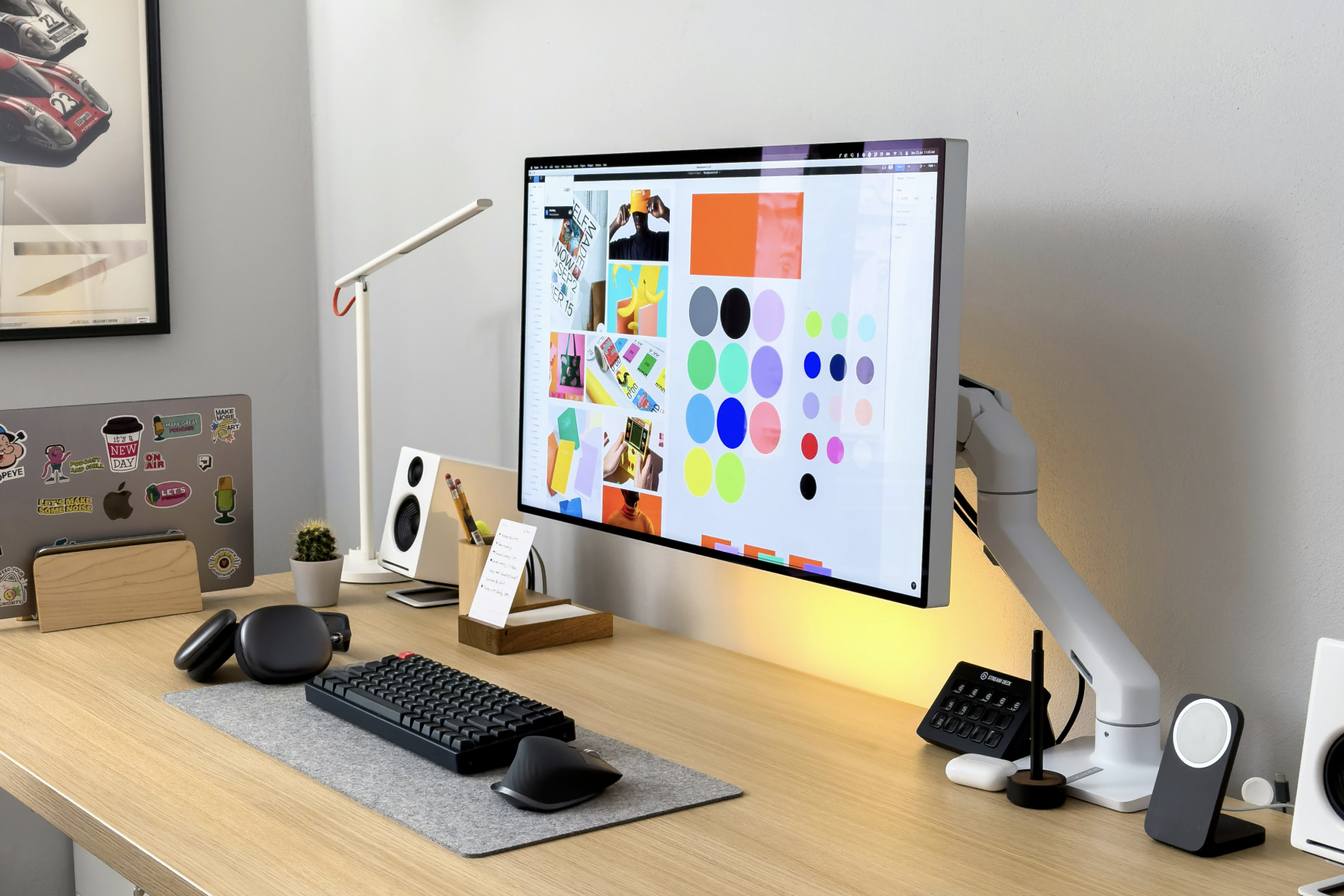
I collaborated closely with developers to ensure the system wasn’t just visually coherent but technically lightweight. Every element was optimized to be easily imported, extended, and themed without bloating the codebase. After full integration, design-to-development time decreased significantly, and teams reported clearer decision-making during complex UI builds.
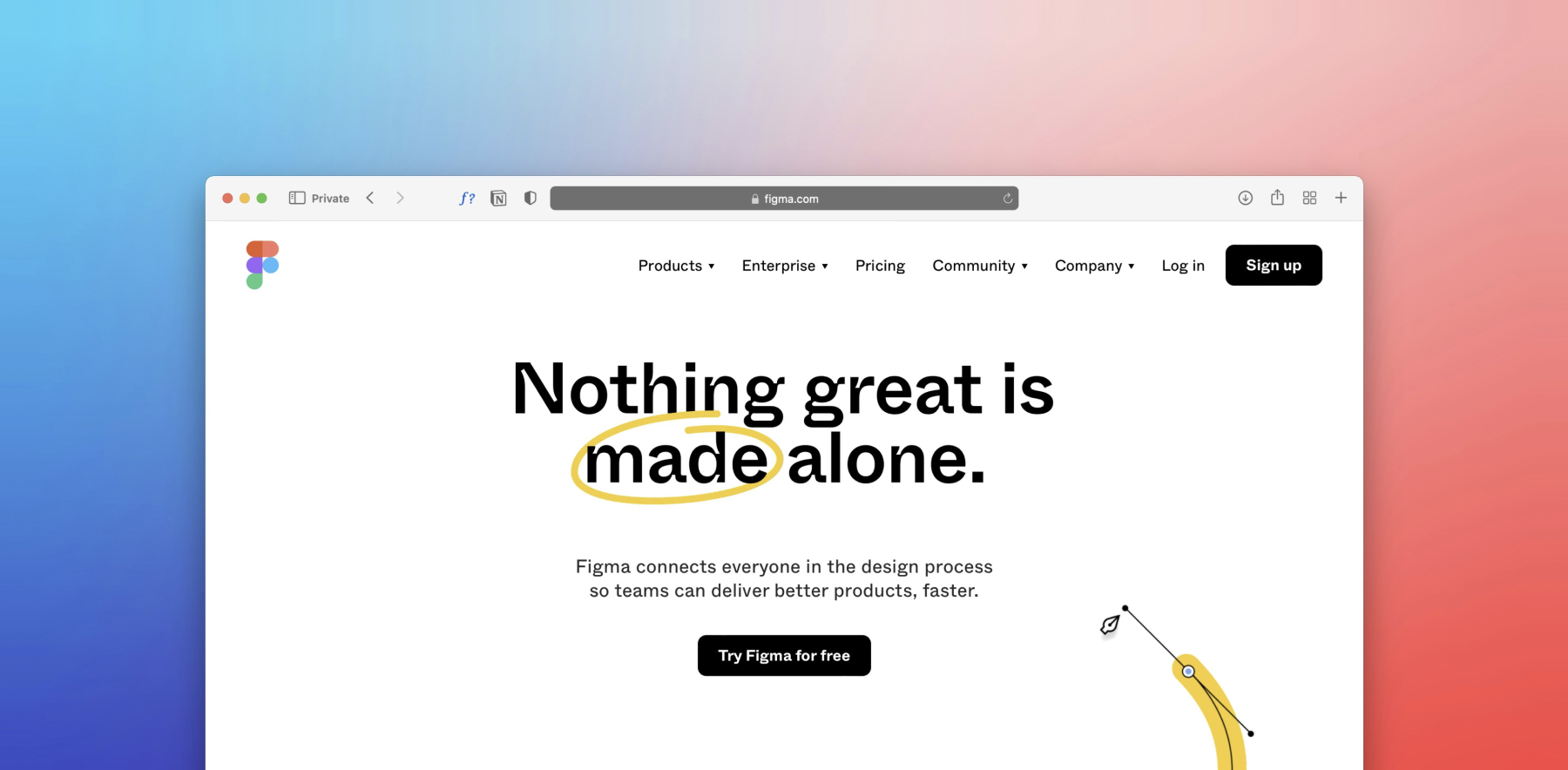
The Adaptive Interface Builder now supports product teams across different platforms — mobile, tablet, web — ensuring consistent aesthetics without restricting creativity. It has grown into a tool that helps people work faster, think clearer, and build interfaces that feel intentional.